Introduction
Because athletes’ bodies are under a great deal of stress, good nourishment is critical. Focusing on the five primary dietary groups, fruits, vegetables, protein, grains, and milk, is the most effective strategy to obtain appropriate nutrition. Each one adds nutrients to your diet. Once you’ve established these basic routines, a certified dietitian can help you fine-tune your diet to meet your specific needs.
Energy-giving food
No matter what sport or activity you participate in, starchy and other types of carbohydrates provide a source of energy for your body to operate at its best. In general, the more you exercise, the more carbohydrate you’ll require in your everyday meals and during your workouts. A high-intensity exercise will quickly deplete your glycogen stores, so incorporate some carbohydrates in most of your meals.
A low-carbohydrate diet might cause fatigue during activity, a loss of attention, and a delay in recovery. You should get professional counsel if you want to follow a low-carbohydrate diet for your sport.
Carbohydrate sources that are good for you include:
- bread made with entire grains
- cereals made with whole grains for breakfast (including some cereal bars)
- rice (brown)
- pasta made with whole wheat
- peasants (with skins on)
- fruit (including dried and canned)
Fruits, vegetables and Grains
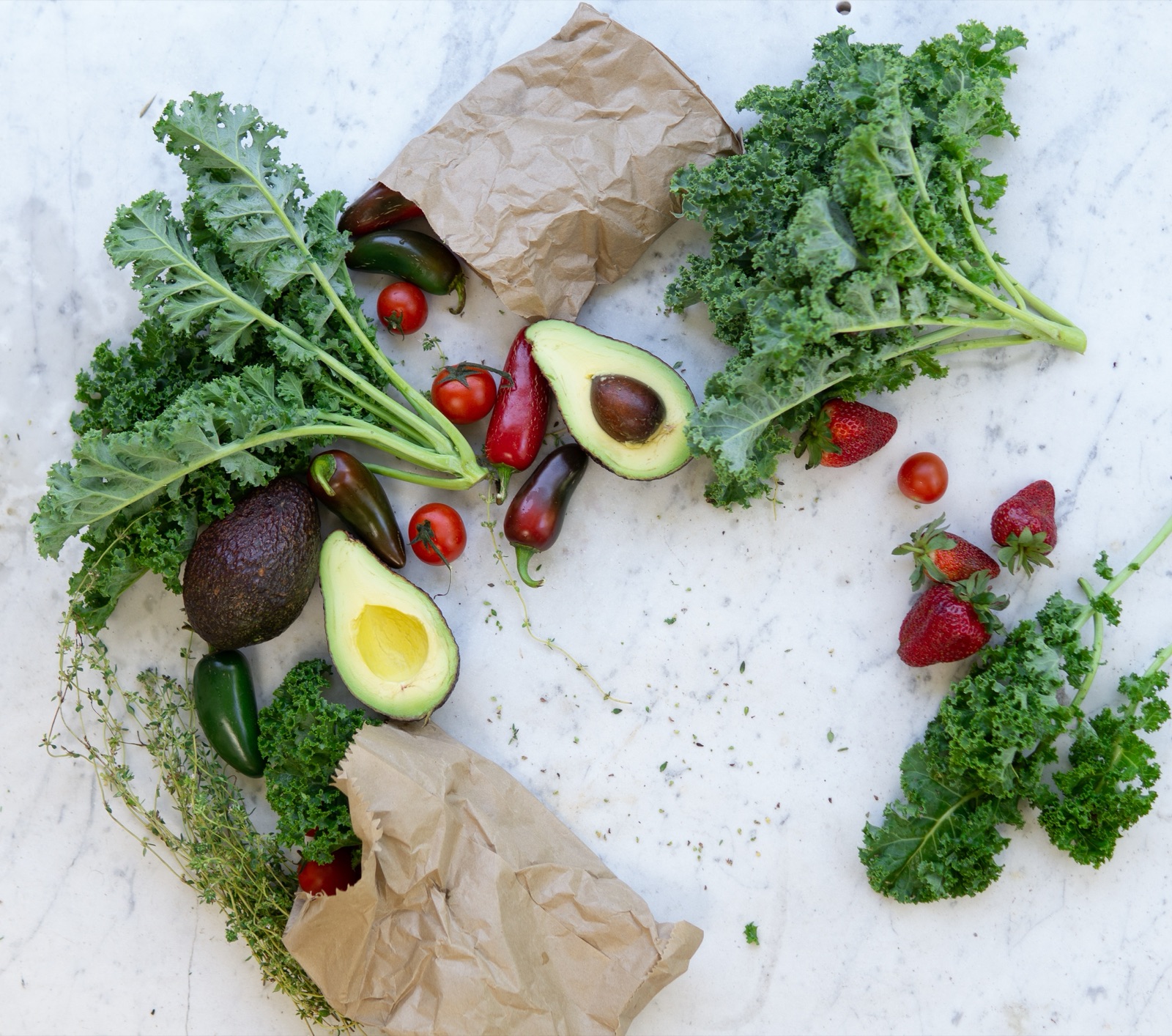
These two food groups should make up around half of your plate, or 50% of each meal. Carbohydrates, vitamins, minerals, fibre, water, and antioxidants are all present, and they work together to offer energy, hydration, digestion, and damage prevention. Fruit and starchy vegetables (such as corn, peas, and potatoes) are around the size of a fist, while veggies are two fists.
These high-starch items should be ingested in amounts comparable to one to two fists at each meal, especially before a workout, depending on physical activity level.
Before food For Exercise
After a meal, such as breakfast or lunch, wait around 3 hours before exercising. Having a little snack an hour before exercising that has some protein and is higher in carbohydrate and lower in fat will help you perform better during your workout and recover faster.
Choose a snack that is easy to digest, such as:
- porridge
- a banana
- a slice of wholegrain bread with nut butter spread thinly
- a low-fat cheese scone (simple or fruit)
- non-dairy alternatives or yoghurt
- crackers and cottage cheese
- non-dairy options or a glass of milk
Nuts
Because nuts are high in protein and good fats, they are a staple in athletes’ diets. When eaten with carbs, they balance your blood sugar and keep the carbs in your system for longer rather than burning them off quickly. Nuts, another plant-based protein, are high in fibre antioxidants such as vitamin E. Nuts are high in anti-inflammatory and are beneficial to bone health is essential for all athletes. They also aid the reduction of bad cholesterol, which is good for heart health.
Protein Whey
The amino acid is in whey protein. It is easily absorbed by the body and is free of fat and cholesterol, making it a perfect combination for athletes. Whey contains the protein and amino acids needed to repair muscles while protecting them from degradation.